

Choosing Replacement French Door Hardware
French doors are a stunning addition to any home. They make a focal point of an area and let in plenty of natural light.
It is cheaper to replace or add French doors in an existing opening than to create an entirely new opening. This will require structural work and more material. The cost of a replacement French door is determined by the design, glass, type and other aspects.
Glass
French doors are a classic addition to any home. They feature glass panes that let in sunlight and let you see your backyard. It's important to replace broken windows quickly to maintain the safety and security of your home.
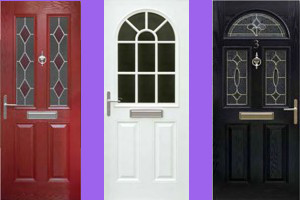
While french door lock replacement can be constructed using a variety materials but fiberglass and steel tend to be the best options for use on the outside. They are sturdy, energy efficient and can be engraved to appear like wood. If you live in a region susceptible to wildfires you might be thinking about the use of a different material.
When it comes to interior French doors, most homeowners choose wooden doors that are timeless and pleasing to the eye. They can be painted or stained to match any decor, and are also available with a variety of panel options. When used as a door for the exterior, however, they can be susceptible to changes in moisture and their single-pane glass is less efficient at insulating than double-pane glass.
Replacing just one pane of glass in a French door is typically an easy DIY project. It is essential to wear protective gloves and goggles when taking off the old glass to avoid cutting yourself. Once the old glass is removed the frame can then be cleaned to prepare for the new installation. It's important to be sure to accurately measure the glass pane to ensure that you get the right size replacement.
The glass's price can vary from $400 to $1700 depending on the kind of glass. The majority of modern glass door units are dual pane with a tint of low-E. Tempered glass offers a safer alternative to regular glass since it breaks down into smaller pieces rather than sharp shards.
Hardware
The style and functionality of your French doors will determine the type of hardware you'll need. If the doors are meant for a closet, or another space that isn't required to be locked, then decorative handles are the best. Consider privacy knobs for doors that will be used in bathrooms or a bedroom. These latches feature a distinctive pin design that makes it difficult to turn the handle and operate the latch. They are available in various finishes and styles.
You'll need to select a lock that matches the style of your French door and your requirements. You can pick between a traditional design or a modern one with a mortise locks that reinforce the stile of the lock. You can also choose bolt-style locks that affix the door to the frame of the house, helping to provide additional security and protection against burglaries.
When you install new hardware for your handle on the French door, you'll need to decide which side will have the handle active and which one will be the fake handle. Locate the cylinder pin which is inserted into the handle to the other side. Turn the pin counterclockwise for those who want to place the handle on the right side.
It is essential to employ professionals for the job, even though it may seem like a simple project. A trained technician will ensure that the doors are installed correctly to avoid leaks, gaps, and other problems. A technician can assist you in choosing the appropriate accessories to match your French door and create a unique look for your home.
Style
French doors add the elegance of your home and blur the line between natural beauty and indoor comfort. By using glass panes that let in plenty of light, they're ideal for dining rooms and living areas as well as bathrooms. The classic dual-frame design makes them an elegant transition between rooms.
These doors, whether they are made of vinyl or wood can brighten the room and add to its style. There are a myriad of choices for hardware options to give an elegant look. You can even choose a single-hinged model, which is best suited for closets and bedrooms to avoid the door hitting furniture or hanging rods.
Additionally you can also choose for hinges with an inswing or outswing. The choice is based on your location and your personal preference. In colder climates it is suggested that inswing French doors may be a better choice since you don't have to worry about snow falling into the door. In addition, outswing French doors are a great option for homes with balconies or gardens because they allow you to open the door and enjoy your outdoor space.
A new French door is an excellent investment if are looking to increase the value of your home and enhance its appearance. It's important to remember that these doors should be installed by professionals to ensure they don't leak or cause drafts. A professional can also ensure that the door is set up correctly and there are no gaps or cracked. In addition, they will provide advice on the best hardware and accessories for your new French doors. A professional can help you choose the perfect French door that complements the style of your home and seamlessly blends in with your windows in your home.
Materials
Choose materials that are resistant to elements, regardless of whether you intend to install French Doors inside or outside. Doors for outside use have to be able to withstand high winds and rain as well as cold temperatures. Choose a door with sturdy outer rails and stile body and reinforced glass to avoid sliding. For maximum energy efficiency, go for a door that is coated, which blocks some of the sun's rays to keep your space comfortable in warmer temperatures.
Wood is popular for interior French doors because it has an attractive appearance. The natural material can complement any architectural style and is durable enough to resist dents, scratches, and rust. It also helps reduce heating and cooling costs all year long. Wood requires regular maintenance in order to ensure its durability and appearance.
Vinyl is a reasonable option for French doors that won't warp in hot temperatures and can be easily altered to resemble the look of wood. It's a good insulation, but it's not as efficient in extreme temperatures as other alternatives.
Fiberglass French doors are an excellent option for homeowners living in areas with drastically changing climates because they're able to withstand heat and freezing temperatures without losing the strength or durability. They are also an excellent insulation and come in a variety of colors to match your home.
Steel French doors are less expensive than other options but they require a significant investment. They are energy efficient and can be customized to fit your particular opening. However they aren't suited for all climates. For safety, consider choosing one-pane glass that is tempered instead for your replacement french door. It breaks down into smaller pieces rather than sharp shards and will be more likely to shield your family members in the event of an accident.
Installation
Installing new French doors to your home can lighten the living areas, make them easier to get into and offer a beautiful view. A professional installer will ensure that the door is installed correctly and will form a tight seal, which keeps out heat and noise. They can also help you select the right door for your home taking into consideration factors like obstructions and sun exposure.
For new construction, the cost to install exterior French doors can range from $6 to $11,000, dependent on the size and panel number. Upgrades to premium fiberglass and customization options like sidelites or glass options can add to the cost.
If you're replacing a single door, it's important to take note of the location of your existing outlets and wiring before commencing work. If they are located in the same location as your new doors it could be necessary to pay an electrician to redirect these.
Before installing the French doors, you must use a level and a carpenter's square to check that the doorway is straight and level, both vertically and horizontally. Also, you should remove any trim around the door opening, and label each piece so that it's easy to put back up later.
After you've put in the doors, you are able to add a new doorknob and lock to suit your preferences in style. If your doors came with the hardware, follow the manufacturer's directions regarding how to place and fix it. Apply caulk with a waterproof finish to the edges of the frame of the door to keep moisture and water out. This step is especially crucial if you live in an area with high humidity and precipitation. This will stop condensation and mold from the door frame, which could eventually leak and cause damage.